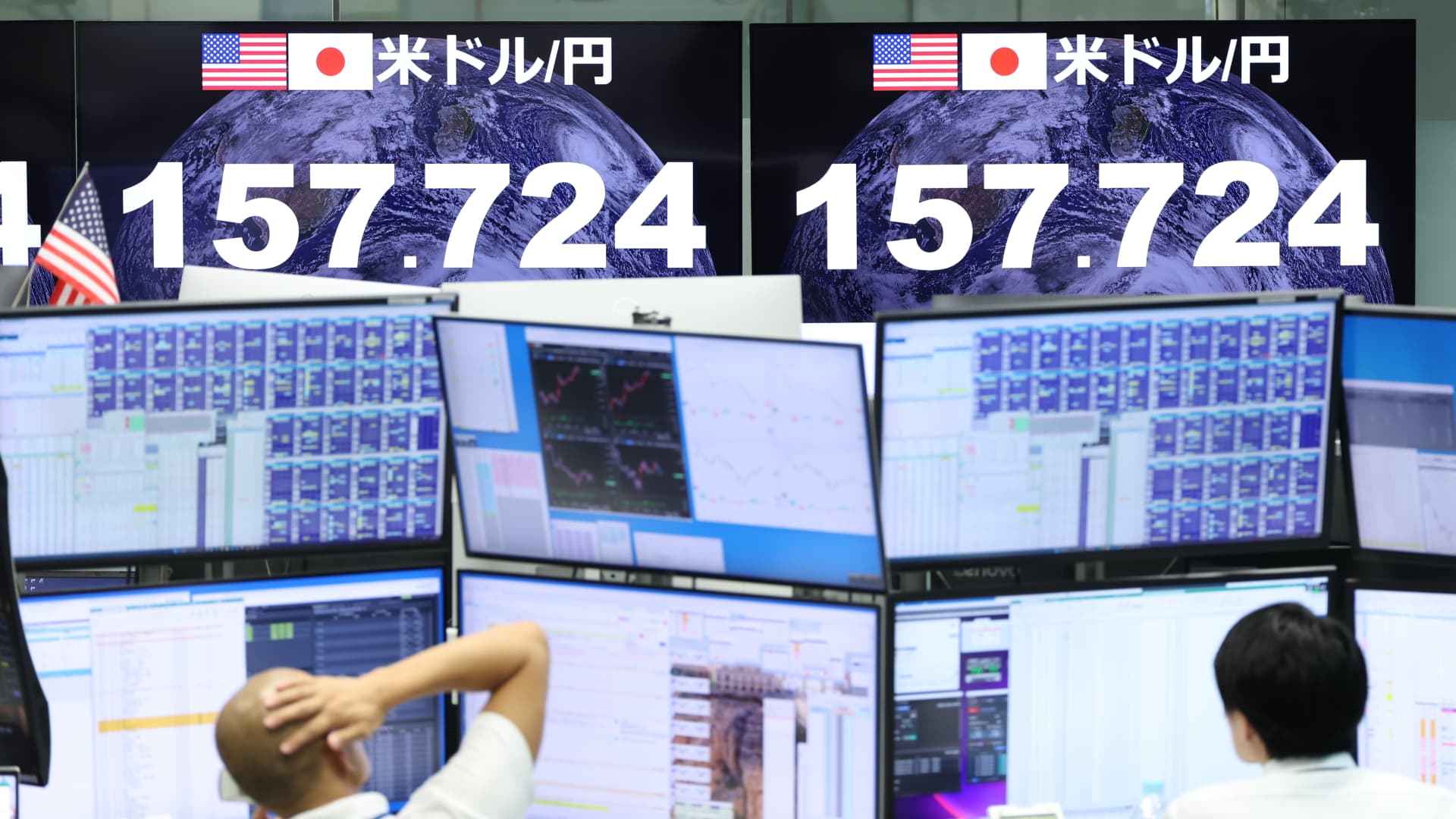
The Japanese yen surged to its strongest level in a month on Thursday, jumping more than one percent against the U.S. dollar as investors braced for potential government intervention and anticipated upcoming interest rate hikes from the Bank of Japan. At its peak, the currency touched 156.15 per dollar, marking its best performance since early August. This sudden rally follows a period of extreme volatility where the yen recently breached the critical 160 per dollar threshold, a level that typically triggers alarm bells for Japanese financial authorities.

Adding fuel to the fire, Japan’s Vice Finance Minister for International Affairs, Atsushi Mimura, warned that officials remain on heightened alert and are neither satisfied nor reassured by recent market movements. This rhetoric comes in the wake of massive spending efforts; between late July and late August, Japan poured a record 15.4 trillion yen into supporting its currency. Coordination with the United States has also been evident, with reports suggesting Washington participated in previous efforts to stabilize the yen to prevent disorderly swings that could jeopardize global market stability.
Market analysts are currently debating whether this latest jump is the result of secret government action or simply a reaction to signals from central bank leadership. While some suggest stealth interventions may be occurring, others believe traders are reacting to hints from Bank of Japan Governor Kazuo Ueda and other board members regarding a possible rate hike during the September 18 policy meeting. The prospect of higher rates in Japan creates a stronger incentive for investors to hold yen over dollars, especially as they eye the upcoming Silver Week holidays when thinner trading volumes can amplify price swings.
Despite the current surge, experts warn that long term strength for the yen will depend on more than just temporary interventions. Some economists argue that a sustained recovery requires a decisively hawkish stance from the Bank of Japan alongside new measures to attract domestic investment. Meanwhile, any prolonged weakness remains a concern for U.S. officials because Japanese investors hold roughly 1.1 trillion dollars in U.S. Treasurys, making them vital pillars of American debt markets who might reconsider their positions if the yen continues to slide too sharply.