In this article
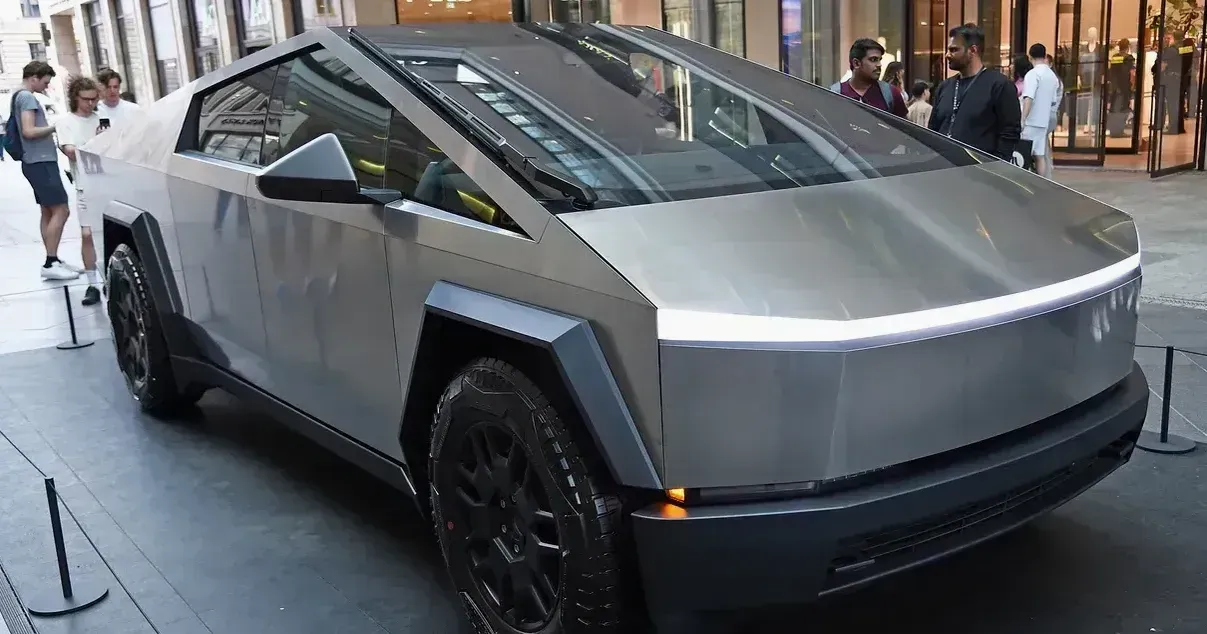
Tesla has decided to pull the plug on Cybertruck production at its Texas Gigafactory next year, marking the end of one of the most polarizing experiments in automotive history. Between its brutalist design and the erratic public image of Elon Musk, the vehicle became a lightning rod for controversy long before it hit the streets. However, poor sales and a string of recalls were not the only factors at play. The demise of this stainless steel behemoth reflects a broader realization across the industry that the era of oversized electric vehicles might have peaked far too early.
The real issue lies beneath the chassis. The Cybertruck relied on a massive 123 kilowatt hour battery weighing roughly 1,600 pounds, accounting for nearly a quarter of the vehicle’s total mass. This trend toward excess wasn’t unique to Tesla; Ford similarly shuttered its F-150 Lightning and several large EV projects recently. These giants consumed vast amounts of raw materials and pushed retail prices well beyond the reach of the average consumer. In contrast, a new wave of practical alternatives is emerging, such as Ford’s upcoming Fathom and startups like Slate, which are prioritizing affordability and efficiency over sheer scale.
Shifting toward smaller footprints allows manufacturers to slash costs significantly since the battery remains the most expensive part of any electric car. When vehicles are lighter, they require less energy to move, meaning companies can utilize smaller packs without sacrificing daily utility. Most owners aren’t hauling heavy machinery every day; they are commuting to work or running errands tasks that could be handled by a vehicle half the size of a Cybertruck. By optimizing these dimensions, automakers can lower entry prices during a period of high inflation and maximize a strained global battery supply chain.
This pivot comes at a critical political moment following the removal of federal EV incentives under the Trump administration. While luxury buyers continue to purchase high end models like the Kia EV9 or Rivian R1S, the bulk of future growth depends on reaching middle class buyers who cannot afford fifty thousand dollar price tags. If policymakers eventually reinstate buyer supports, brands that have already transitioned to leaner, cheaper models will be best positioned to capture that latent demand without facing massive delivery bottlenecks.
Even Musk seems aligned with this trajectory toward minimalism. As he clears factory space by killing off his largest truck, he is doubling down on Cybercabs, which feature batteries barely forty percent the size of those found in his former flagship pickup. The lesson being learned is simple: for electric vehicles to truly conquer the road, they need to stop trying to dominate it through sheer volume and start focusing on accessibility and common sense engineering.
Enjoyed this story?
Get the day's moves and the analysis behind them, free every weekday morning.